

LE CIEL JOURNAL · FOR PROPERTY OWNERS
You know the home, its furnishings and the care it took to prepare them. Protecting that work begins with knowing what happens when something goes wrong. Vacation rental insurance questions are easier to resolve before an incident, when there is time to read the wording and ask again.
At a glance: Vacation rental insurance questions should connect each risk to the actual policy wording. Declare the activity, compare cover and exclusions, and prepare the reporting process before an incident.
A familiar policy name is not enough. Coverage depends on the policy wording, the declared use and the circumstances of a claim.
Describe the rental activity accurately
Read the cover before you need it
Tell the insurer or a qualified broker that paying guests will stay at the property. Explain whether stays are short or long, which services are offered, who manages the home and whether there are shared building facilities. Ask for written confirmation that the proposed activity is covered.
Do not assume an ordinary home policy includes commercial accommodation. Equally, do not assume a policy marketed for rentals covers every event you are worried about. Ask the provider to point to the relevant sections.

Use these questions in your review
- Property: which parts of the building, furnishings and equipment are insured, and who is responsible for shared areas?
- Guests and third parties: what liability protection applies, and what conditions or exclusions matter?
- Damage: how does the policy treat accidental damage, deliberate damage, theft and ordinary wear?
- Water and weather: which events are covered or excluded, and are endorsements needed for the particular location?
- Lost income: is any business interruption protection included, and what event must happen for it to apply?
- Costs: what limits, excesses or deductibles apply to each type of claim?
- Conditions: are there requirements for inspections, security, vacant periods or notifying changes in use?
Do not confuse deposits or platform programmes with your policy
A guest deposit, a booking platform’s protection programme and your own insurance can have different purposes, limits and claim procedures. Ask how they interact. Avoid relying on a headline amount or assuming one arrangement fills every gap in another.
Check the exact wording of any relevant platform programme on that platform. Keep your actual insurance documents separately so a change of booking channel does not leave you unclear about protection.
Prepare the claims folder now
Keep the policy schedule, full wording, insurer contact and renewal date together. Maintain an inventory, purchase records where available, maintenance logs and dated condition photographs. Ask what evidence and reporting deadlines a claim would require.
If an incident occurs, put immediate safety first and follow the provider’s reporting instructions. Do not promise a guest reimbursement from an insurer before the claim is assessed.
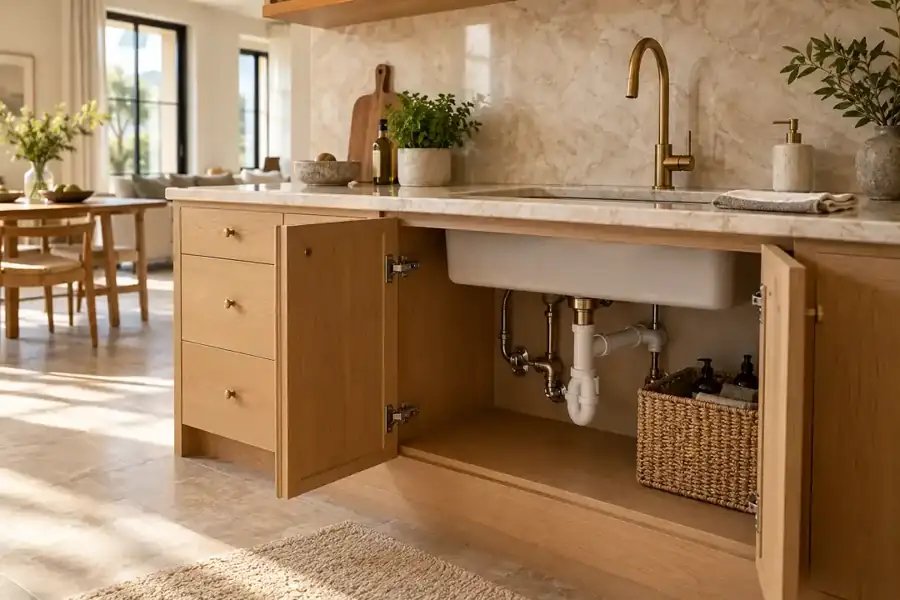
Organise vacation rental insurance questions by the loss you fear
Start with the events that could interrupt your particular home: a leak, damage to contents, a guest injury or a period when covered damage prevents hosting. Then ask which policy section, if any, addresses each event. A quotation is easier to compare when it answers the same questions as the next quotation.
Separate the building, contents and liability
In an apartment, building-level insurance and an owner’s policy may cover different interests. Ask who insures the structure, your fixtures and your contents. Do not assume a building policy protects your rental activity or your furniture.
Likewise, a liability section should be reviewed for the actual operation. Describe who hosts, who maintains the home and which facilities are shared. Ask about the parties insured rather than relying on the property address alone.
Use a comparison sheet before choosing a policy
- The activity and parties declared to the provider.
- The covered property and valuation basis.
- Limits and deductibles for the scenarios you asked about.
- Important exclusions and conditions.
- The claims notification route and required evidence.
- Renewal arrangements and changes you must report.
Compare the wording as well as the premium. A cheaper price may reflect a different scope, limit or deductible. Ask the provider to explain the difference in writing. If a term is unclear, resolve it before accepting the proposal.
Pay attention to maintenance and vacancy conditions
Read whether inspections, security measures or periods without occupants affect cover. Tell the provider about planned renovations or changes in use where required. Keep maintenance records because they explain the property’s condition; do not fabricate them after an incident.
Prepare a calm incident workflow
- Protect people first and follow the relevant emergency procedure.
- Notify the responsible owner or manager and the provider through the required route.
- Record the time, location and observed facts without assigning blame by guesswork.
- Preserve appropriate photos, invoices and communications while protecting private information.
- Ask the provider about emergency work, evidence retention and the next steps.
- Track the claim and repair separately until each is resolved.
This is an organising framework, not a replacement for the policy’s instructions. An urgent repair and an insurance decision may proceed on different timelines. Agree who can authorise emergency expenditure and how it will be documented.
Frequently asked questions
Questions before you start
Is a guest deposit enough protection?
It serves a different purpose and may not address major losses or liability. Review the deposit terms, platform protection and insurance separately.
Can the manager promise a claim will be paid?
No one should promise payment before the provider’s assessment. The useful role is to maintain records, communicate promptly and follow the agreed procedure.
Keep vacation rental insurance questions open until the provider answers them clearly. The goal is an understood policy and a practical incident plan, not reassurance based on a headline.
Make insurance part of the management discussion
The official OJK portal provides access to Indonesian insurance information and provider directories. Use it to check relevant provider information, then obtain advice about your particular risks from a qualified professional.
When discussing property management with Le Ciel, ask who records incidents and keeps supporting documents. Clarify those responsibilities in the service agreement. A management arrangement is not itself an insurance policy.

