
LE CIEL JOURNAL · FOR PROPERTY OWNERS
A loose handle rarely announces itself dramatically. A small leak can hide behind an otherwise beautiful bathroom. A rental property maintenance checklist helps owners notice these quiet signals before they become a guest’s late-night problem. The aim is a cared-for home and fewer avoidable surprises.
At a glance: A rental property maintenance checklist needs an asset register, a reporting routine and a clear escalation process. Separate ordinary observations from specialist work, then verify repairs before closing an issue.
There is no single service timetable that suits every home. Equipment instructions, usage, weather exposure and the building’s condition should shape the plan.
Separate changeover checks from technical servicing
Know what needs attention
At each changeover, staff can look for visible leaks, unusual smells, damaged furniture and appliances that do not operate normally. They can report what they see without diagnosing electrical, structural or gas problems. Reserve technical inspections and repairs for appropriately qualified people.
Give the team a simple fault log: date, room, symptom, photograph where useful, urgency and person assigned. Close a task only after someone verifies the result.

Use this practical inspection list
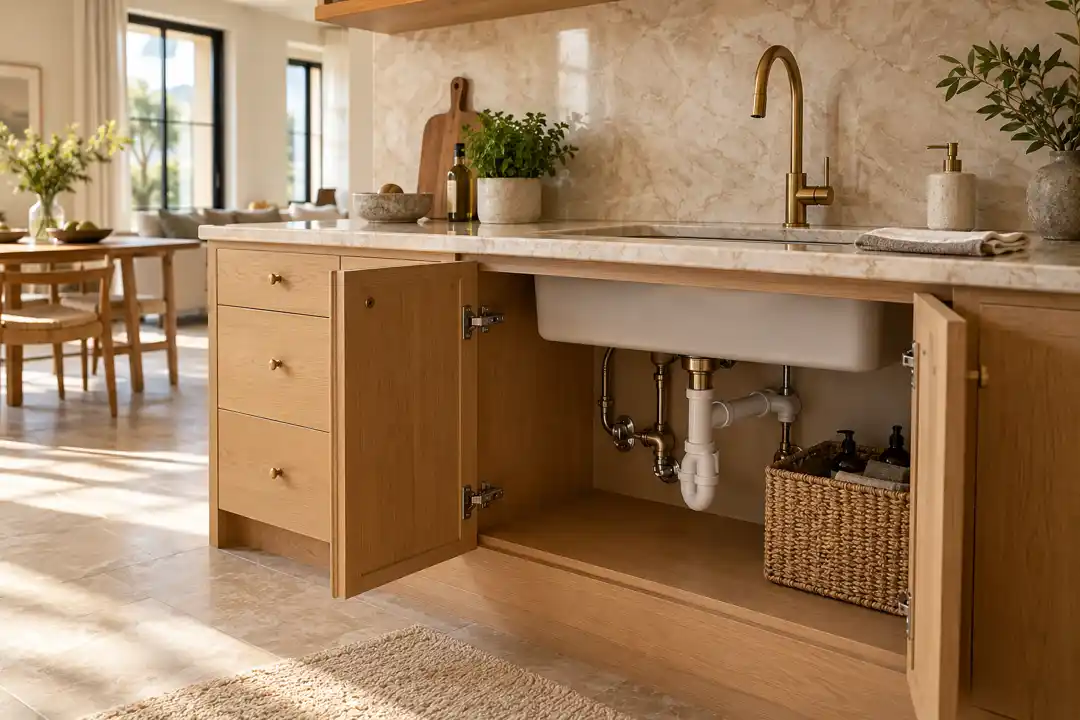
- Plumbing: check visible pipe joints, taps, toilet operation and drainage. Investigate persistent slow drains and water marks rather than repeatedly masking them.
- Air conditioning: check cooling, unusual noise and visible water leakage. Follow the manufacturer’s filter and service guidance. Keep airflow clear.
- Moisture: look around window frames, ceilings and bathroom sealants. Identify the source of recurring damp before repainting.
- Furniture and fittings: check loose handles, unstable chairs, curtain fixings and damaged edges.
- Safety equipment: follow manufacturer testing and replacement instructions. Make sure escape information and exits remain accessible.
- Outdoor areas: arrange suitable professional checks for roofs, gutters, pools and trees. Do not ask housekeeping staff to climb roofs or undertake risky repairs.
Give the AC its own record
Keep the model, service contact, previous service date and recommended next action together. The U.S. Department of Energy’s cooling guidance explains why filters and other components need attention. Use it as background; the instructions for your installed system and local service conditions come first.
Define what needs immediate action
A burning smell, exposed wiring, significant leak or suspected structural problem should trigger your escalation process, not a routine task for next week. Keep guests away from the affected area and contact suitable emergency or technical support. Record who may approve urgent spending and how the owner will be notified.
For non-urgent work, agree a written scope and quote. After completion, check the repair and retain the invoice, photos and any warranty. A receipt proves payment; it does not by itself prove the fault is resolved.

Give your rental property maintenance checklist an owner
A checklist without a responsible person is a wish list. Create an asset register containing each important appliance or system, its model, location, warranty information and service contact. Add manufacturer instructions and the latest service record. This gives the next technician useful context.
Divide checks by when they can be done
- At turnover: observe visible leaks, unusual smells, loose fittings, damaged furniture and equipment that does not operate normally.
- During planned vacant periods: inspect accessible areas more thoroughly and complete noisy or disruptive work.
- On the manufacturer’s schedule: arrange servicing, component replacement and safety testing with suitable professionals.
- After a relevant event: inspect affected areas following heavy rain, an outage, a reported fault or a repair.
These are planning categories, not universal service intervals. A coastal villa, a high-rise apartment and a heavily used family rental face different conditions. Ask the technician to document the appropriate next review.
Triage defects before they become guest surprises
Use a simple register with the issue, location, date found, photos where appropriate, assigned person and closure evidence. Record the severity separately from the inconvenience. A cosmetic scratch and a suspected electrical fault require different responses.
If there is an immediate safety concern, stop using the affected item and restrict access as appropriate. Follow the local emergency procedure where necessary. Do not ask a cleaner to investigate exposed wiring, gas equipment or a structural concern.
For a comfort failure, such as a cooling problem, establish whether the home can deliver the booked stay before the next arrival. If the problem cannot be resolved, the responsible team should discuss the booking options promptly. Avoid advertising normal operation while privately waiting for a repair.
Confirm that “repaired” means tested
Ask what caused the failure, what was changed and what was checked afterward. A cleared symptom is not always a solved cause. Keep the invoice and service note together. Then test the guest-facing function safely and within your competence.
Budget for replacement as well as repair
List equipment approaching a known replacement need and seek realistic quotations. Combine that with repair history and the disruption each failure could create. Your reserve should reflect your own assets and finances, not a generic percentage presented as a rule.
A spare light bulb may prevent a small delay. A suitable backup access method may prevent a failed arrival. However, storing random replacement parts without model details can waste money. Choose spares for identified risks.
Frequently asked questions
Questions before you start
Can staff carry out all maintenance?
Staff can report observations and perform tasks they are trained and authorised to do. Electrical, structural and other specialist work needs the appropriate professional.
What should the owner receive?
A useful report shows unresolved issues, completed work, costs and upcoming decisions. Your rental property maintenance checklist should support that report rather than disappear into a folder.
Treat the rental property maintenance checklist as a living record. Each resolved defect should leave useful evidence for the next person caring for the home.
Turn the checklist into a working routine
Open your calendar and book the next planned inspection around guest stays. Set the interval using equipment guidance and actual conditions, then name the person responsible. Keep a reserve for repairs and review recurring faults before they absorb more time and money.
Explore Le Ciel’s property management services or ask about upkeep for your property. Confirm which inspections, contractors and approval limits belong in your agreed service scope.

